Anticancer Medicine Pharmacy

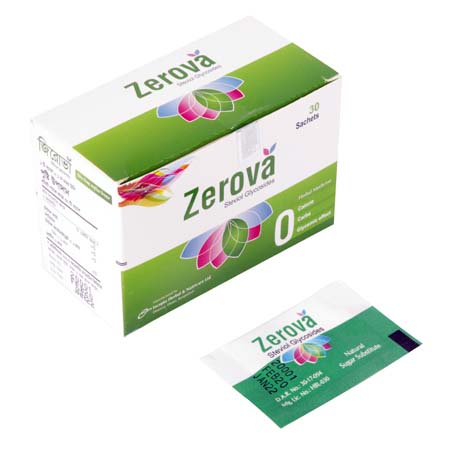
Zerova
Zerova (Rosuvastatin): Complete Guide to Uses, Dosage, Benefits, Side Effects & FAQs
Introduction to Zerova
Zerova is a potent prescription medicine used to manage high cholesterol levels and prevent cardiovascular events such as heart attacks and strokes. Belonging to the Cardiology & Hypertension Medicines, Generic Medicines, and Prescription Medicines categories, it is recognized as one of the most effective statins for lipid management. Instead of providing a temporary fix, Zerova works by fundamentally altering how the liver processes and produces cholesterol.
Think of Zerova as an advanced maintenance system for your arteries. Rather than just clearing debris, the active ingredient Rosuvastatin proactively stops the internal production of harmful fats before they can enter the bloodstream. This guide provides a detailed look at what Zerova is, how Rosuvastatin functions, its clinical benefits, and essential safety information.
Drug Class and Mechanism of Action
Zerova is classified as an HMG-CoA reductase inhibitor, more commonly known as a “statin.” This medication targets the specific enzyme in the liver responsible for the rate-limiting step in cholesterol synthesis.
Rosuvastatin works by inhibiting the HMG-CoA reductase enzyme, which significantly reduces the amount of cholesterol produced by liver cells. As the liver’s internal supply of cholesterol drops, it compensates by increasing the number of LDL receptors on its surface, effectively “pulling” and clearing “bad” cholesterol from the circulating blood.
How Zerova Works in the Body
The cardiovascular system requires a balance of lipids to function without blockages. Zerova optimizes this balance through several biological pathways:
-
It lowers Low-Density Lipoprotein (LDL) or “bad” cholesterol more effectively than many other statins.
-
It reduces triglycerides, which are fats that can contribute to the hardening of arteries.
-
It increases High-Density Lipoprotein (HDL), the “good” cholesterol that helps carry fats away from the arteries.
By maintaining these levels, Rosuvastatin helps slow the progression of atherosclerosis (plaque buildup), keeping blood vessels flexible and clear.
Medical Uses of Zerova
Zerova is indicated for patients who need aggressive or moderate lipid management to protect their heart health.
Zerova for Primary Hyperlipidemia
Zerova is a primary treatment for adults with high cholesterol who have not reached their target levels through diet and exercise alone. Benefits for patients include:
-
Rapid and sustained reduction in total cholesterol.
-
Significant lowering of LDL levels to prevent arterial blockages.
-
Long-term protection against the narrowing of the arteries.
Zerova for Cardiovascular Risk Reduction
Even in patients without extremely high cholesterol, Zerova is used to prevent major health crises. Clinical data shows that Rosuvastatin can:
-
Reduce the risk of stroke and myocardial infarction (heart attack).
-
Lower the need for arterial revascularization procedures.
-
Improve survival rates in patients with multiple risk factors like diabetes or hypertension.
Who Can Take Zerova?
Zerova is a high-potency medication, and its use must be guided by a healthcare professional following a blood lipid profile.
Eligibility Criteria
You may be a candidate for Zerova if you:
-
Have been diagnosed with primary hyperlipidemia or mixed dyslipidemia.
-
Require a potent statin to reach specific heart-health goals.
-
Are at high risk for cardiovascular disease due to age, smoking, or other health conditions.
Who Should Avoid Zerova
Zerova may not be appropriate for individuals who:
-
Have active liver disease or unexplained persistent elevations in liver enzymes.
-
Have severe renal (kidney) impairment.
-
Are pregnant, planning to become pregnant, or breastfeeding, as Rosuvastatin is contraindicated during pregnancy.
Zerova Dosage and Administration
Standard Dosage Guidelines
The dosage of Zerova is highly individualized based on the patient’s cholesterol goals and risk level:
-
The starting dose is usually 5 mg to 10 mg once daily.
-
For more intensive treatment, the dose may be increased under medical supervision.
-
Rosuvastatin can be taken at any time of day, with or without food.
Administration Tips
-
Take your dose at the same time every day to maintain steady levels of Rosuvastatin in your system.
-
Continue following a heart-healthy diet and exercise plan while taking this medication.
Side Effects of Zerova
Common Side Effects
-
Headache or dizziness.
-
Muscle pain (myalgia) or weakness.
-
Nausea, constipation, or abdominal pain.
Serious Side Effects
-
Severe muscle breakdown (Rhabdomyolysis), characterized by dark urine and extreme pain.
-
Liver dysfunction (indicated by yellowing of the skin/eyes).
-
New-onset diabetes (increased blood sugar levels).
Frequently Asked Questions (FAQs)
1. Is Zerova safe for long-term use? Yes, Rosuvastatin is intended for long-term use to keep cholesterol levels stable and protect the heart, provided regular liver and kidney monitoring is performed.
2. Can I take Zerova at night? Unlike some older statins, Zerova has a long half-life, meaning it can be taken at any time of the day as long as it is taken consistently.
3. Does Zerova interact with other medications? Yes, Rosuvastatin can interact with certain blood thinners (like Warfarin) and other lipid-lowering drugs. Always inform your doctor of all supplements and medicines you use.
4. What should I do if I experience muscle pain while taking Zerova? If you experience unusual or unexplained muscle pain, especially if accompanied by fever or fatigue, contact your doctor immediately to rule out serious muscle injury.