Anticancer Medicine Pharmacy

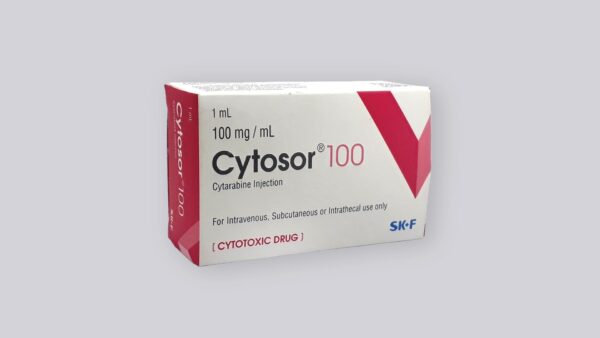
Cytosor® (Cytarabine) 100mg
Cytosor® 100mg contains Cytarabine, an antimetabolite chemotherapy medicine used to treat leukemia and other blood cancers. It works by inhibiting DNA synthesis and preventing cancer cell growth.
| Field | Details |
|---|---|
| Original Brand | Cytosar-U |
| Generic Brand | Cytosor® |
| Generic Name | Cytarabine 100mg |
| Pack Size | Single Vial |
| Use / Indications | Acute Myeloid Leukemia (AML), Acute Lymphocytic Leukemia (ALL), Other Blood Cancers |
| Manufacturer | Information may vary by region |
| Status | Prescription Only Medicine |
Introduction to Cytosor (Cytarabine) 100mg
Cytosar-U (Cytarabine) 100mg is a widely used prescription chemotherapy medicine indicated for the treatment of certain blood cancers, particularly leukemia. It belongs to a class of oncology drugs known as antimetabolites, which work by interfering with DNA synthesis and preventing cancer cell growth.
Cytosor® (Cytarabine) 100mg is classified under Prescription Medicines, Oncology Medicines, Anticancer Drugs, and Injectable Cancer Therapies. It contains Cytarabine, a cytotoxic agent that targets rapidly dividing cancer cells.
The original brand of Cytarabine is Cytosar-U, while Cytosor® is a generic brand offering similar therapeutic benefits when prescribed by a qualified healthcare professional.
What Is Cytosar-U (Cytarabine) 100mg?
Cytosar-U is the original brand name for Cytarabine, an injectable chemotherapy medication primarily used in the treatment of hematologic malignancies.
Cytarabine belongs to a group of medicines known as Antimetabolite Antineoplastic Agents. These drugs disrupt DNA replication, thereby preventing cancer cells from multiplying.
Generic versions such as Cytosor® 100mg contain the same active compound and are used based on physician recommendation and availability.
Drug Class and Mechanism of Action
Cytarabine is classified as an antimetabolite chemotherapy agent with potent antineoplastic activity.
How Cytarabine Works
It works through the following mechanisms:
- Inhibits DNA synthesis during the S-phase of the cell cycle
- Incorporates into DNA and RNA, causing faulty genetic material
- Prevents cancer cell replication and survival
These effects help control the spread of cancer cells.
How Cytosor Works in the Body
Cytarabine targets rapidly dividing cells, particularly in the bone marrow, where leukemia cells are produced.
Key Actions of Cytarabine
- Blocks DNA formation in cancer cells
- Stops cell division and proliferation
- Promotes cancer cell death
Generic versions like Cytosor® provide effective treatment outcomes when administered under medical supervision.
Medical Uses of Cytosor (Cytarabine) 100mg
Cytosor® 100mg is commonly used in the treatment of blood-related cancers.
Cytarabine for Acute Myeloid Leukemia (AML)
One of the primary uses of Cytarabine is in AML treatment protocols.
Potential Benefits
- Helps achieve remission
- Reduces leukemic cell burden
- Improves survival outcomes
Cytarabine for Acute Lymphocytic Leukemia (ALL)
Used as part of combination chemotherapy regimens.
Treatment Benefits
- Enhances treatment response
- Helps control disease progression
Cytarabine for Other Hematologic Malignancies
May also be used in other leukemias and lymphomas.
Treatment Benefits
- Supports multi-drug chemotherapy regimens
- Helps manage aggressive blood cancers
Who Can Take Cytosor® 100mg?
Cytarabine treatment should always be supervised by a specialist in oncology or hematology.
Eligibility Criteria
Patients may be prescribed Cytosor® if they:
- Are diagnosed with leukemia or related blood cancers
- Have adequate liver and kidney function
- Can be monitored for bone marrow suppression
Who Should Avoid Cytosar-U (Cytarabine) 100mg
Cytarabine should NOT be used by:
- Patients with severe bone marrow suppression
- Individuals with hypersensitivity to Cytarabine
- Patients with active uncontrolled infections
Cytosor (Cytarabine) 100mg Dosage and Administration
Standard Dosage Guidelines
Typical dosage recommendations include:
- Administered via intravenous (IV), subcutaneous, or intrathecal routes
- Dose depends on treatment protocol and body surface area
- Often given in cycles as part of combination chemotherapy
Dosage Adjustments
Doctors may adjust dosage based on:
- Blood cell counts
- Liver and kidney function
- Patient response and tolerance
Side Effects of Cytosar-U (Cytarabine) 100mg
Like all chemotherapy medicines, Cytarabine may cause side effects.
Common Side Effects
- Nausea and vomiting
- Fever and fatigue
- Mouth sores (mucositis)
- Low blood cell counts
Serious Side Effects
- Severe bone marrow suppression
- Infections due to low immunity
- Neurotoxicity (at high doses)
- Liver dysfunction
Patients should seek immediate medical attention if serious symptoms occur.
Storage:
Store below 25°C in a cool, dry place, protected from light. Keep out of reach of children.
Frequently Asked Questions (FAQs)
1. What type of cancer is Cytarabine used for?
Cytarabine is mainly used to treat leukemias such as AML and ALL.
2. How is Cytosor® 100mg administered?
It can be given intravenously, subcutaneously, or intrathecally depending on treatment needs.
3. Is Cytosor® the same as Cytosar-U?
Yes, both contain Cytarabine, with Cytosar-U being the original brand.
4. Does Cytarabine affect normal cells?
Yes, it can affect healthy rapidly dividing cells, leading to side effects like low blood counts.
5. Can Cytarabine be used during pregnancy?
No, it is not recommended due to potential harm to the fetus.
6. Is Cytosor® 100mg prescription-only?
Yes, it is a prescription-only chemotherapy medicine.
Medical Disclaimer
Disclaimer:
This content is for educational purposes only and should not be considered medical advice. Cytosor® (Cytarabine) 100mg must be used under the supervision of a qualified healthcare professional. Always consult your doctor before starting or stopping any medication.