Anticancer Medicine Pharmacy

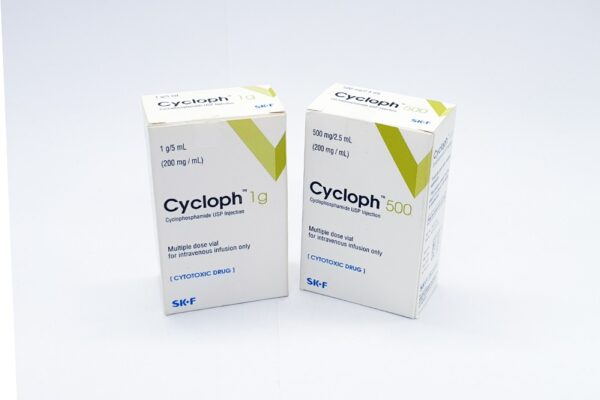
Cycloph
Cycloph 50mg (Cyclophosphamide): Complete Guide to Uses, Dosage, Benefits, Side Effects & FAQS
Introduction to Cycloph 50mg
Cycloph 50mg is a potent prescription medication used primarily in the treatment of various cancers and severe autoimmune disorders. As a critical component of our Oncology & Cancer Medicines, Anticancer Medicines, and Autoimmune & Immunology Medicines categories, Cycloph 50mg serves as a cornerstone therapy for complex pathological conditions. This medication is designed to interfere with the rapid division of abnormal cells, thereby slowing or stopping disease progression.
The active ingredient in Cycloph 50mg is Cyclophosphamide, a well-established nitrogen mustard alkylating agent. Unlike standard anti-inflammatory drugs, Cyclophosphamide works deep within the cell structure to prevent the replication of DNA. Whether used to combat malignant tumors or to quiet a hyperactive immune system, Cycloph 50mg is a powerful tool in modern clinical medicine.
Drug Class and Mechanism of Action
Cycloph 50mg is classified as an alkylating agent and an immunosuppressant. The generic compound, Cyclophosphamide, is a “prodrug,” meaning it is converted by liver enzymes into its active metabolites. Once activated, Cyclophosphamide attaches an alkyl group to the DNA of rapidly dividing cells, causing cross-linking that prevents the cells from multiplying and eventually leading to cell death.
How Cycloph 50mg Works in the Body
Because Cyclophosphamide targets cells that divide quickly, it is highly effective in two major areas:
-
In Oncology: It destroys cancer cells that are multiplying uncontrollably.
-
In Immunology: It suppresses overactive white blood cells (lymphocytes) that mistakenly attack the body’s own tissues.
-
In Nephrology: It helps reduce inflammation in the kidneys for patients with severe lupus or nephrotic syndrome.
Medical Uses of Cycloph 50mg
Cycloph 50mg is utilized across various medical specialties to manage life-threatening or chronic debilitating conditions.
Cycloph 50mg in Cancer Therapy
Cycloph 50mg is frequently included in chemotherapy regimens for a wide range of malignancies. Common applications for Cyclophosphamide include:
-
Breast cancer and ovarian cancer.
-
Leukemias (such as ALL and CLL).
-
Lymphomas (Hodgkin’s and non-Hodgkin’s lymphoma).
-
Multiple myeloma and certain pediatric cancers like neuroblastoma.
Cycloph 50mg for Autoimmune Diseases
When lower-tier immunosuppressants fail, Cycloph 50mg is used to treat severe autoimmune conditions. It is particularly effective for:
-
Lupus Nephritis (kidney inflammation caused by Lupus).
-
Severe Rheumatoid Arthritis.
-
Granulomatosis with polyangiitis (Wegener’s granulomatosis) and other forms of vasculitis.
Who Can Take Cycloph 50mg?
Due to its potency, Cycloph 50mg requires strict medical supervision and regular laboratory monitoring.
Eligibility Criteria
A specialist may prescribe Cycloph 50mg if you:
-
Have a confirmed diagnosis of a responsive malignancy or severe autoimmune disorder.
-
Have adequate bone marrow function (monitored via blood counts).
-
Are able to maintain high fluid intake to protect your bladder.
Who Should Avoid Cycloph 50mg
Cycloph 50mg is generally avoided or used with extreme caution in:
-
Pregnant or breastfeeding women (due to high risk of fetal harm).
-
Patients with severe bone marrow suppression or active, uncontrolled infections.
-
Individuals with a history of hemorrhagic cystitis (bladder inflammation).
-
Those with known hypersensitivity to Cyclophosphamide.
Cycloph 50mg Dosage and Administration
Standard Dosage Guidelines
-
Oncology Dosing: Varies significantly based on body surface area and the specific chemotherapy protocol.
-
Autoimmune Dosing: Often starts with 1 to 2 mg per kg of body weight daily.
-
Administration: This is an Oral Medicine. Tablets should be swallowed whole and should not be crushed or chewed.
The Importance of Hydration
When taking Cyclophosphamide, it is vital to drink plenty of water (at least 2–3 liters a day) and urinate frequently. This helps flush out metabolites that can irritate the bladder lining. Your doctor may also prescribe a medication called Mesna to protect the bladder while you are on Cycloph 50mg.
Benefits and Side Effects
Key Benefits of Cycloph 50mg
-
Versatility: Effective against both solid tumors and blood-related cancers.
-
Deep Suppression: Capable of putting severe autoimmune diseases into remission.
-
Oral Convenience: Allows for outpatient treatment in many cases compared to IV chemotherapy.
Common and Serious Side Effects
As a powerful medication, Cycloph 50mg can cause significant side effects:
-
Common: Nausea, vomiting, hair loss (alopecia), and loss of appetite.
-
Serious: Increased risk of infections due to low white blood cell counts, bladder irritation (bloody urine), and potential long-term effects on fertility.
-
Safety Alert: If you notice blood in your urine or develop a fever while taking Cyclophosphamide, contact your oncologist immediately.
Frequently Asked Questions (FAQs)
-
Does Cycloph 50mg cause hair loss? Yes, hair thinning or loss is a common side effect of Cyclophosphamide, though hair usually regrows after the treatment is completed.
-
Can I get vaccines while taking Cycloph 50mg? You should avoid live vaccines while taking Cycloph 50mg because your immune system is suppressed. Always consult your doctor before any vaccination.
-
How does Cyclophosphamide affect fertility? Cyclophosphamide can affect the ability to have children in both men and women. Discuss fertility preservation options with your doctor before starting Cycloph 50mg.
Medical Disclaimer: This content is for informational purposes only. Cycloph 50mg must be used under the direct supervision of an oncologist or rheumatologist. Always follow your doctor’s specific instructions regarding Cyclophosphamide therapy.